
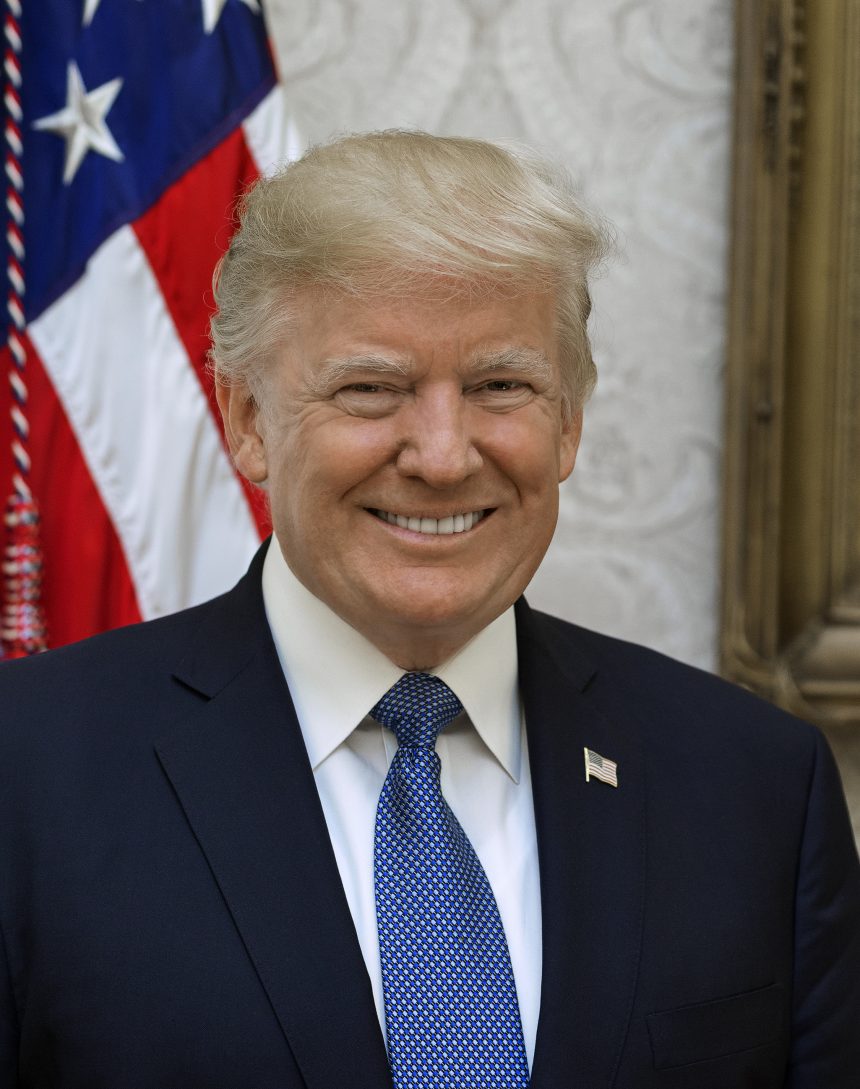
President Donald Trump on Thursday announced the cancellation of planned United States military strikes against Iran, saying negotiators had reached agreement on the final elements of an initial peace framework that could pave the way for a broader settlement to the months-long conflict.
The announcement marks a potentially significant turning point in a war that has destabilised the Middle East, disrupted global energy markets and heightened fears of a wider regional confrontation.
Trump said discussions had progressed sufficiently for military action to be halted, adding that details of a formal signing ceremony would be made public soon.
“Discussions and final points have been, in both concept and great detail, approved by all parties involved,” the US president said in a statement.
The development came just hours after Trump had indicated that American forces were prepared to launch a third consecutive night of strikes against Iranian targets.
Signs of a breakthrough
While Tehran has yet to issue an official response, Iran’s semi-official Fars News Agency reported that Iranian authorities were likely to approve the agreement.
Sources familiar with the negotiations said both sides had reached a broad political understanding, although important technical details remain unresolved.
Among the key issues still under discussion are arrangements for the release of tens of billions of dollars in Iranian oil revenues currently frozen in foreign financial institutions.
The proposed agreement is also expected to include measures that would ease restrictions on shipping through the Strait of Hormuz and bring an end to the US naval blockade imposed on Iranian ports in April.
However, some of the most contentious issues surrounding Iran’s nuclear programme—including its stockpile of highly enriched uranium and future nuclear development activities—would be deferred to subsequent negotiations.
A war with global consequences
The conflict, which began after coordinated US and Israeli airstrikes on Iran in late February, has claimed thousands of lives, primarily in Iran and neighbouring Lebanon.
The fighting has also sent shockwaves through global energy markets, with oil prices surging amid concerns about disruptions to shipping lanes and crude exports from the Gulf region.
Financial markets reacted positively to Thursday’s announcement. US stocks advanced while oil prices fell as investors interpreted the development as a sign that a broader de-escalation may be within reach.
Political challenges remain
Despite the apparent progress, questions remain over whether the emerging agreement will satisfy critics within Trump’s Republican Party and other Western allies who argue that any deal must permanently prevent Iran from acquiring nuclear weapons capability.
The issue carries particular political sensitivity for Trump, who withdrew the United States from the 2015 Iran nuclear agreement during his first term, describing it as inadequate and overly favourable to Tehran.
Analysts say the White House will be under pressure to demonstrate that any new arrangement is more robust than the accord it replaced.
Regional powers back negotiations
Trump said the framework had received support from senior Iranian leaders as well as key regional stakeholders, including Israel, Saudi Arabia, Qatar and the United Arab Emirates.
If finalised, the agreement could represent the most significant diplomatic breakthrough since hostilities erupted earlier this year.
However, observers caution that numerous ceasefires and diplomatic initiatives have faltered during the conflict, making implementation just as important as negotiation.
What happens next?
Attention now shifts to whether both sides can convert the political understanding into a binding agreement.
Diplomats and security analysts note that while the suspension of planned strikes reduces immediate tensions, the most difficult issues—including Iran’s nuclear ambitions and long-term regional security arrangements—remain unresolved.
For now, however, the prospect of a negotiated settlement offers a rare moment of optimism after months of escalating violence.
The Conscience Call
Wars often begin with certainty but end through compromise.
The emerging US-Iran agreement is a reminder that diplomacy, however frustrating and imperfect, remains the most sustainable path to peace. Military victories may change battlefields, but lasting stability is usually secured at negotiating tables.
The challenge before both nations is not merely ending the current conflict, but building enough trust to prevent the next one.
Questions for the World
- Will the proposed agreement lead to lasting peace or merely a temporary pause in hostilities?
- Can unresolved nuclear issues be successfully addressed in future negotiations?
- How will the agreement reshape power dynamics across the Middle East?
- What lessons does the conflict offer about the limits of military solutions?
- Can global powers build a more durable framework for regional stability?
The Conscience Times
Nurturing a Conscience-Driven Society