

A major diplomatic breakthrough appears to have brought the United States-Iran war to the brink of an end after both countries agreed to a framework deal that would halt hostilities, reopen the Strait of Hormuz and pave the way for broader negotiations on Tehran’s nuclear programme.
The agreement, announced by officials from both countries, triggered an immediate reaction in global markets, with oil prices falling sharply as traders anticipated the restoration of energy supplies through one of the world’s most important shipping corridors.
The preliminary accord is expected to be formally signed in Switzerland later this week and is being regarded as the most significant diplomatic breakthrough since the conflict erupted following joint US-Israeli strikes on Iran earlier this year.
Pakistan plays key mediation role
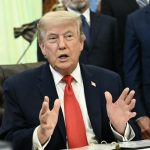
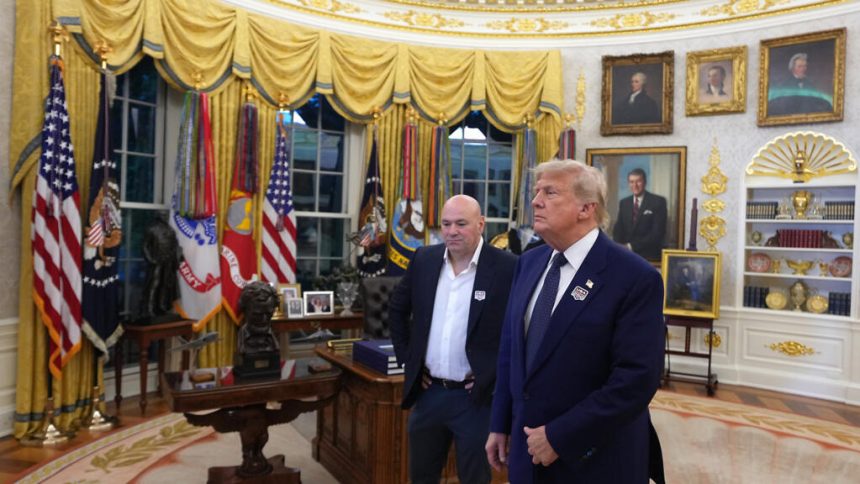
US President Donald Trump declared that an agreement with Iran had been completed, while Pakistani Prime Minister Shehbaz Sharif confirmed that his country had helped facilitate the negotiations that produced the breakthrough.
According to statements released by both sides, the framework provides for an immediate cessation of military operations and the reopening of the Strait of Hormuz, a strategic waterway through which a substantial portion of global oil and liquefied natural gas supplies pass.
The agreement also creates a 60-day window during which negotiators will attempt to resolve wider issues, including sanctions relief and the future of Iran’s nuclear programme.
Lebanon remains a sensitive issue
One of the most contentious aspects of the negotiations involved Lebanon, where fighting between Israel and the Iran-backed Hezbollah movement has caused significant casualties and displacement since the conflict expanded beyond Iran’s borders.
Iranian officials insisted that any lasting settlement must include an end to military operations affecting Lebanon, while Israeli authorities have signalled that they may resist external pressure to withdraw forces from parts of southern Lebanon.
The differing positions suggest that although the framework agreement marks substantial progress, important political and security challenges remain unresolved.
Oil prices fall as markets welcome deal
Financial markets reacted positively to the announcement.
Brent crude prices fell by around four per cent as investors anticipated the eventual resumption of unrestricted energy shipments through the Strait of Hormuz. Stock markets in Europe and other regions also recorded gains as fears of a prolonged conflict eased.
However, shipping companies remain cautious, with industry experts warning that full restoration of maritime traffic may take time due to security concerns and logistical challenges created by months of disruption.
More than 100 vessels are reportedly still waiting for clarity before resuming normal transit through the strategic waterway.
Nuclear programme remains unresolved
Despite the optimism surrounding the agreement, the future of Iran’s nuclear programme remains one of the most difficult issues facing negotiators.
Reports indicate that future talks will address Tehran’s stockpile of highly enriched uranium, international inspections and potential sanctions relief.
Western governments, including Britain, France and Germany, have welcomed the breakthrough and indicated a willingness to consider sanctions relief if Iran takes verifiable steps to limit its nuclear activities.
China has also expressed support for the agreement.
Global attention turns to implementation
The United Nations has welcomed the framework and urged all parties to implement the agreement in good faith to secure a lasting peace.
For now, the deal offers the strongest indication yet that a conflict which has claimed thousands of lives, disrupted global energy markets and heightened fears of wider regional instability may finally be moving towards a negotiated conclusion.
The Conscience Call
Wars often end not when every dispute is resolved, but when the cost of continued conflict becomes too great for all sides.
The US-Iran agreement demonstrates the enduring value of diplomacy, dialogue and mediation, even after months of violence and hostility. While many difficult issues remain unresolved, the prospect of peace offers hope not only for the Middle East but also for a world economy that has felt the consequences of the conflict.
The true test of this agreement will not be the signatures on a document but the willingness of all parties to honour their commitments and choose stability over confrontation.
Questions for the Nation
- Can the US-Iran framework evolve into a lasting peace agreement?
- Will negotiations succeed in resolving concerns over Iran’s nuclear programme?
- How quickly will global energy markets stabilise following the reopening of the Strait of Hormuz?
- What impact could the agreement have on conflicts involving regional actors such as Hezbollah and Israel?
- Does this development reinforce the importance of diplomacy in resolving modern conflicts?
The Conscience Times
Nurturing a Conscience-Driven Society