


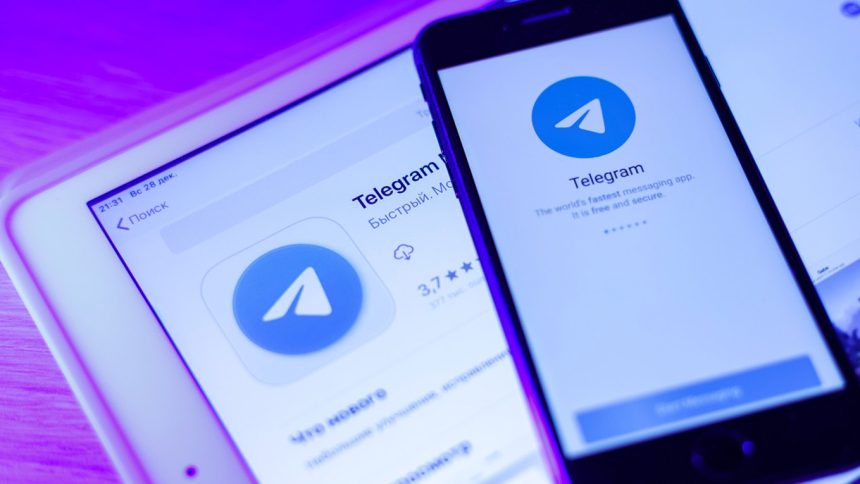
The Indian government has imposed a temporary restriction on the use of Telegram, citing concerns that the messaging platform is being exploited by organised examination fraud networks ahead of a major national medical entrance examination.
Authorities announced that access to the platform would be blocked until June 22 as part of efforts to protect the integrity of the National Eligibility cum Entrance Test (NEET) re-examination scheduled for June 21.
The move marks one of the most significant restrictions on a mainstream digital communication platform in recent years and has reignited debates about the balance between public interest, security, and digital freedoms.
Government cites examination integrity
In a statement issued through the National Testing Agency (NTA), India’s education authorities said the decision was taken following reports that cheating syndicates had been using Telegram to facilitate examination malpractice and defraud candidates preparing for the rescheduled medical entrance examination.
According to the government, previous attempts to remove problematic content from the platform did not achieve the desired results, prompting authorities to adopt what they described as a measure of last resort.
Officials maintained that the restriction was temporary and intended solely to prevent the misuse of digital platforms during the examination period.
The government also expressed regret over the inconvenience the action would cause to legitimate users of the platform.
Fallout from examination leak scandal
The restriction comes weeks after Indian authorities cancelled the original NEET examination following allegations that examination questions had been leaked before candidates sat for the test.
The scandal triggered widespread public outrage and raised serious concerns about the credibility of one of the country’s most important academic examinations.
NEET serves as the primary gateway for admission into medical colleges across India, making it one of the most competitive examinations in the country.
The controversy sparked protests in several cities as students and advocacy groups demanded accountability and reforms to safeguard the examination process.
The government subsequently announced plans for a fresh examination on June 21.
Legal basis for the restriction
Authorities said the directive was issued under provisions of India’s information technology laws that empower the government to restrict access to online platforms in circumstances considered necessary for national interests.
Government officials argued that the action was taken in accordance with legal procedures and in pursuit of a legitimate public objective.
However, the move has also renewed concerns among digital rights advocates, some of whom have previously criticised the use of such powers, arguing that they can have broader implications for freedom of expression and access to information.
The debate reflects an ongoing global conversation about the extent to which governments should regulate digital platforms in response to security, public safety, or societal concerns.
Millions of users affected
The restriction is expected to affect a substantial number of users, given Telegram’s popularity in India.
India represents one of Telegram’s largest markets worldwide by download volume, although WhatsApp remains the country’s dominant messaging application.
The temporary suspension therefore extends beyond political or news-related communications, affecting students, businesses, community groups, professionals, and ordinary citizens who rely on the platform for everyday interactions.
As of Tuesday morning, users in parts of the country were still reporting access to the application, while uncertainty remained over the pace and extent of implementation by telecommunications providers.
Tech firms yet to respond
The government’s directive places additional attention on telecommunications companies and technology firms that facilitate access to digital services within India.
Major telecom operators, including Reliance Jio, Bharti Airtel, and Vodafone Idea, had not publicly commented on the implementation of the restriction at the time of reporting.
Similarly, technology companies that operate major mobile application marketplaces had yet to indicate whether they had received directives relating to Telegram’s availability for download during the restriction period.
Telegram itself had not issued an official response to the government’s decision.
Balancing security and digital rights
The development highlights the growing challenges governments face in regulating digital platforms that can simultaneously serve legitimate social purposes and become tools for unlawful activities.
While authorities argue that restrictions may sometimes be necessary to protect public interests, critics caution that such actions should remain transparent, proportionate, and subject to appropriate oversight.
The situation in India underscores the increasing intersection of technology, education, governance, and public accountability in an era where information can spread rapidly across digital networks.
The Conscience Call
The integrity of public examinations is fundamental to fairness, merit, and public trust in educational systems. Governments have a legitimate responsibility to prevent fraud and protect the credibility of examinations that shape the futures of millions of students.
At the same time, restrictions on widely used digital platforms should be approached with caution, transparency, and clear safeguards. Measures designed to address specific security concerns must be carefully balanced against the broader rights and interests of citizens who depend on such platforms for communication and commerce.
The challenge for policymakers is not simply how to stop abuse of technology, but how to do so without unnecessarily disrupting legitimate digital engagement.
Questions for the World
- Should governments temporarily restrict digital platforms to prevent examination malpractice and other forms of organised fraud?
- What alternatives exist to platform-wide restrictions when unlawful activities occur online?
- How can technology companies better cooperate with authorities to address criminal misuse of their platforms?
- Where should the balance be drawn between public interest and digital freedoms?
- What lessons can other countries learn from India’s response to examination fraud concerns?
The Conscience Times
Nurturing a Conscience-Driven Society