


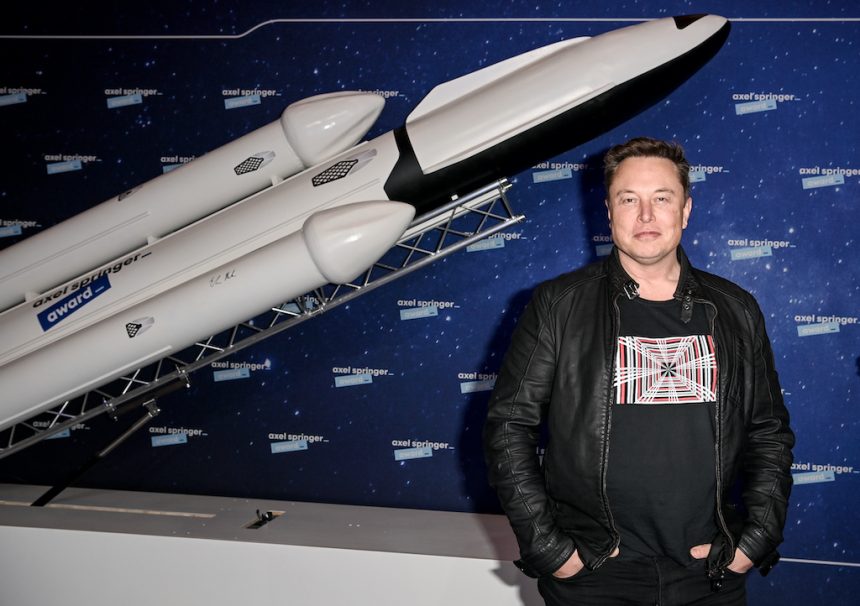
When Elon Musk crossed the $1 trillion net worth threshold following SpaceX’s historic stock market debut, the achievement instantly entered the record books.
Yet the bigger story may not be the size of Musk’s fortune. It may be what the milestone reveals about the changing nature of wealth, technology and power in the 21st century.
For the first time in modern history, a single individual possesses wealth measured not in billions but in trillions. The development has sparked admiration, concern, debate and fascination across financial markets and political circles worldwide.
The question now is not simply how Elon Musk became the world’s first trillionaire. It is what comes next.
The triumph of the technology economy
Throughout history, the world’s richest individuals built fortunes through land, oil, banking, manufacturing and natural resources.
Musk’s path has been fundamentally different.
His fortune is tied largely to technologies that barely existed a generation ago: electric vehicles, reusable rockets, satellite internet, artificial intelligence and digital platforms. SpaceX’s public debut pushed the company’s valuation above $2 trillion, making it one of the most valuable corporations in the world almost overnight.
The implication is profound.
The world’s most valuable assets are increasingly intellectual rather than physical. Innovation, software, data, artificial intelligence and advanced engineering now generate wealth on a scale previously associated only with industrial empires.
The rise of the founder-king model
Another striking feature of Musk’s trillion-dollar fortune is the concentration of control that accompanies it.
Unlike many corporate leaders who answer to broad shareholder bases, Musk maintains extraordinary influence across multiple companies, including SpaceX, Tesla, xAI, Neuralink and X. Reports indicate he retains dominant voting control within SpaceX despite the company’s public listing.
This has revived a growing debate among economists and governance experts.
Should a single individual wield such significant influence over industries that increasingly shape communication, transportation, artificial intelligence, energy and even space exploration?
Supporters argue that visionary founders often achieve breakthroughs because they are insulated from short-term pressures.
Critics worry that excessive concentration of economic power can eventually translate into disproportionate political and social influence.
A trillion dollars in an unequal world
The emergence of the world’s first trillionaire has also intensified conversations about inequality.
Even before the SpaceX IPO, Musk’s fortune exceeded the combined wealth of many of the world’s richest individuals. Following the listing, his wealth surpassed that of the next several billionaires combined.
At the same time, billions of people around the world continue to struggle with inflation, unemployment, housing shortages and rising living costs.
The contrast has reignited calls for tax reforms, wealth taxes and broader discussions about how economic growth should be distributed. Reports indicate that political activists and advocacy groups quickly seized on the trillionaire milestone as evidence of widening economic inequality.
The debate is unlikely to disappear anytime soon.
Why investors are betting on SpaceX
The trillionaire milestone is ultimately a reflection of investor confidence in SpaceX.
Investors are not simply valuing the company based on its current earnings. They are placing enormous bets on future opportunities.
These include Starlink’s expanding satellite internet network, the commercial space industry, government contracts, artificial intelligence initiatives, space-based infrastructure and even long-term ambitions involving Mars exploration.
In essence, markets are pricing not just what SpaceX is today, but what it could become over the next several decades.
That optimism helps explain how a company that continues to invest heavily and faces profitability questions can command a valuation exceeding $2 trillion.
The trillionaire era may only be beginning
Musk’s achievement may not remain unique for long.
The same technological forces driving SpaceX’s valuation are also fuelling the rapid growth of artificial intelligence companies, semiconductor firms and advanced technology enterprises.
Analysts already speculate that other technology founders could eventually join the trillion-dollar club if current trends continue. Some observers view the SpaceX listing as a signal that markets are entering a new era of mega-valuations built around AI, digital infrastructure and frontier technologies.
The age of the trillionaire may therefore represent not an endpoint, but a beginning.
The real significance of the milestone
History will remember Elon Musk as the first person to accumulate a trillion-dollar fortune.
But history may judge the event less by the number itself and more by what it revealed about the modern world.
It illustrates how rapidly technology can create value. It demonstrates the enormous influence of visionary founders. It highlights growing concerns about inequality. And it raises important questions about how societies balance innovation, opportunity and accountability.
The trillion-dollar milestone is not merely a story about one man.
It is a story about the economic system that made such wealth possible.
The Conscience Call
The rise of the world’s first trillionaire should inspire both admiration and reflection.
Admiration because human ingenuity continues to achieve what once seemed impossible. Reflection because prosperity is most sustainable when its benefits extend beyond a privileged few.
Innovation should be encouraged, entrepreneurship rewarded and ambition celebrated. At the same time, societies must ensure that technological progress strengthens communities, expands opportunities and improves lives on a broad scale.
The true measure of economic success is not how many trillionaires a society creates, but how many people it empowers to flourish.
Questions for the Nation
- Is the emergence of a trillionaire a sign of economic progress or growing inequality?
- How much influence should ultra-wealthy individuals have over critical industries?
- Can technological innovation continue to justify trillion-dollar valuations?
- What responsibilities accompany unprecedented levels of wealth?
- How can developing countries position themselves to benefit from the industries creating the world’s largest fortunes?
The Conscience Times
Nurturing a Conscience-Driven Society